260 million. That’s the raw number of human beings that the World Health Organization currently counts with an anxiety disorder. Conventional medicine, true to its protocols, relies on medications. However, in waiting rooms and on forums, the desire to take another path is growing. Many seek to free themselves from side effects, to avoid the shadow of dependency.
Natural alternatives are gradually asserting themselves, supported by recent studies that legitimize their effectiveness. These methods, easy to integrate into daily life, offer tangible results and remain accessible, far from the filter of a prescription.
Understanding daily anxiety: recognizing its manifestations and impacts
Anxiety does not just lurk in silence: it invades, unannounced, the reality of 20% of the French population. Far from being a mere nuisance, it settles in and shapes the relationship with oneself, with others, and with the world. The symptoms of anxiety take a thousand forms: persistent muscle tension, irritability, fragmented sleep, panic attacks that arise unexpectedly. The heart pounds, breathing becomes shallow, thoughts loop endlessly, trapped in a cycle of stress.
This malaise extends well beyond the psychological realm. Fatigue that clings to the skin, scattered attention, withdrawal into oneself, digestive disorders added to the list: stress distorts every aspect of daily life. A panic attack can erupt at the slightest spark, sometimes triggered by a trivial matter or a distant memory. For some, social anxiety shuts the door to any professional or friendly life, leading to isolation.
The causes? They hide in our genes, our experiences, our environment. An excess of coffee, too little sleep, an unresolved shock, and the spiral accelerates. Generalized anxiety disorder (GAD) illustrates this insidious mechanism: worry takes root without apparent reason and drains mental health.
Concrete responses are emerging. Hub Santé’s solutions focus on identifying signals, understanding triggers, and adjusting habits to regain lasting balance. Recognizing signs, asking for help, and taking action marks the first turn towards a more peaceful life.
What natural methods are truly effective in soothing anxiety?
For those looking to regain their calm, natural remedies offer a range of validated solutions. Plants hold a prominent place in this quest for emotional balance. Chamomile and green tea are frequently mentioned for their soothing properties. Lavender, whether in infusion or through its scent, releases nervous tension. Valerian, lime tree, and hops are invited into phytotherapy to calm anxiety and promote sleep. Added to this are St. John’s Wort, Rhodiola rosea, Griffonia, and Kava kava, which help regulate stress and emotional instability.
Anti-stress nutrition also plays a crucial role. It is wise to incorporate certain foods into your menus to support the nervous system: products rich in magnesium (almonds, black beans, dark chocolate), fatty fish for omega-3s, vitamins B and D. These nutrients promote serotonin, the messenger of well-being. CBD oil appears in many testimonials as a valuable aid for soothing nervousness and limiting panic attacks.
Here are some dietary and complementary reflexes to establish:
- Favor legumes and whole grains to stabilize mood.
- Bach flowers assist in managing negative emotions.
These natural anxiolytics fit into a holistic dynamic, attentive to sleep quality, dietary balance, and listening to what the body expresses.
Integrating gentle solutions into your routine: concrete tips for lasting well-being
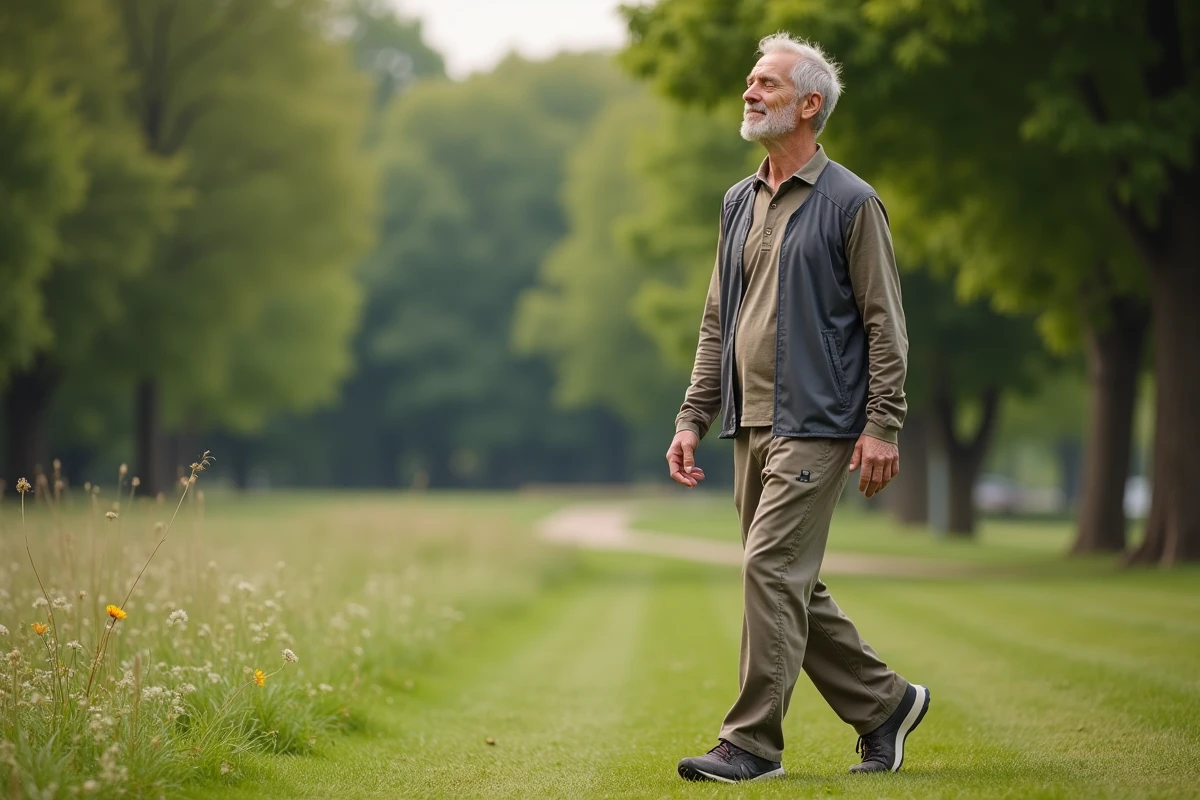
The body and mind demand regularity, actions rooted in the day. To soothe anxiety, there are simple rituals, validated by research and confirmed by field experience. Physical activity acts as a direct antidote: twenty to thirty minutes of brisk walking, cycling, or swimming kickstarts serotonin production, stabilizes mood, and curbs the rise of stress. Studies show that regular practice reduces the frequency of panic attacks and improves overall well-being.
Abdominal breathing and heart coherence have also proven their impact. Three to five minutes are enough, morning and evening: breathe slowly through the nose, let the belly expand, exhale slowly. This rhythm calms the heart, soothes the nervous system, releases tension, and tempers intrusive thoughts.
A breakfast focused on proteins, eggs, yogurt, fresh cheese, nuts stabilizes blood sugar and prevents anxiety spikes throughout the day. Allow yourself a few minutes of mindfulness meditation: bring attention back to the breath, observe the sensations in the body. This return to the moment calms the mind and puts a brake on incessant ruminations.
As evening falls, adopt a sleep-friendly routine: soft lighting, comfortable temperature, screens off half an hour before bed. Writing in a thought journal helps identify what triggers anxiety and brings clarity.
To anchor these actions, here are some guidelines to keep in mind:
- Focus on regularity: schedule these practices in your agenda.
- Consider each action as a step towards regained balance, a way to take control over anxiety.
Consulting a professional trained in cognitive-behavioral therapy (CBT) complements this natural foundation and allows, over time, to transform the relationship with anxiety.
Solutions exist, concrete and within reach. In the face of anxiety, every action counts, every choice shapes the path: it is up to each individual to build their own resistance strategy, one step at a time.