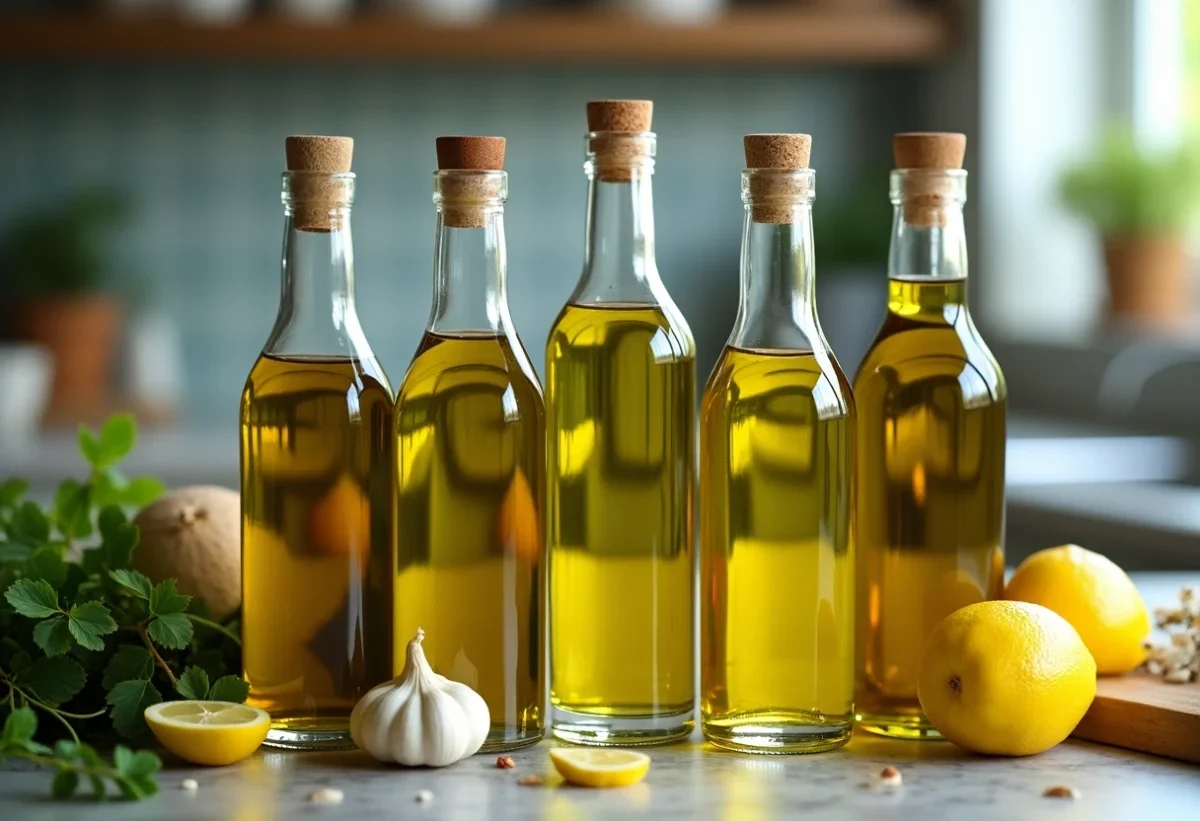
Eating habits are evolving with the growing awareness of the benefits of a healthy diet. Oils, a staple ingredient in cooking, are no exception to this trend. Moreover, people are seeking alternatives that combine flavor and health benefits.
Traditional cooking oils, often high in saturated fats, are being replaced by lighter and more nutritious options. Avocado oil, for example, stands out for its richness in monounsaturated fatty acids, while coconut oil is appealing for its antibacterial properties. This quest for culinary well-being is transforming kitchens and daily eating habits.
Why choose healthy alternatives to commonly used cooking oils
Oils are staple ingredients in cooking, used for frying, sautéing, and seasoning. Some of them, high in saturated fats, raise LDL cholesterol while lowering HDL cholesterol. This lipid imbalance can lead to serious diseases such as high blood pressure and heart attacks.
To avoid these risks, one should turn to alternatives that contain less saturated fat and more unsaturated fats. For instance, olive oil, rich in unsaturated fats, increases HDL cholesterol and reduces LDL cholesterol. On the other hand, canola oil is sometimes controversial due to its industrial processing; research on canola oil dangers reveals concerns about its excessive consumption.
The shortage of oil and the high cost of certain traditional oils also encourage the search for alternatives. Consumers are turning to more economical and accessible solutions while maintaining a balanced diet.
- Fats are necessary for the functioning of the human body, but their quality is essential.
- Saturated fats can cause major health issues.
- Unsaturated fats, found in certain vegetable oils, offer heart health benefits.
Using alternative oils also allows for diversifying flavors and textures in cooking, thus avoiding heavy and greasy dishes. Consider these options for a healthier and tastier cuisine. 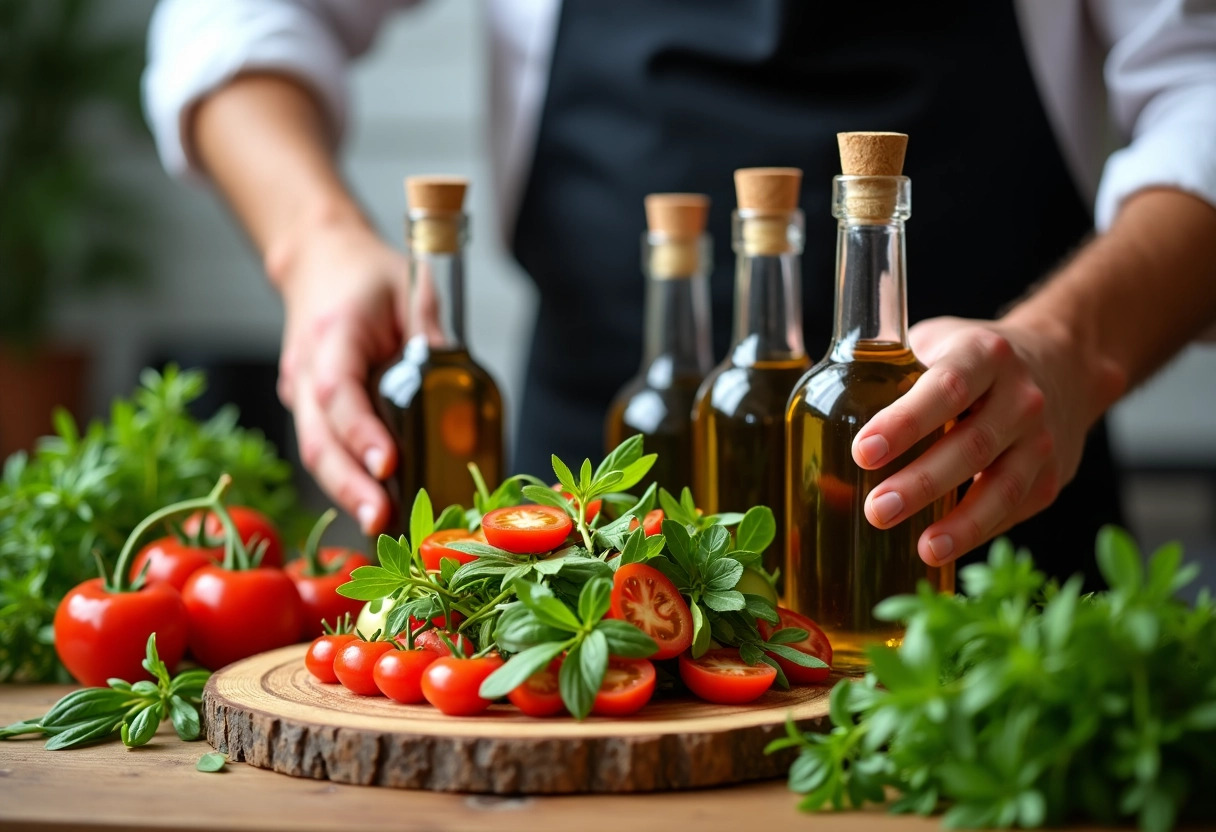
The best healthy alternatives to traditional oils
For a healthier diet, choose alternatives that reduce saturated fat intake while providing varied nutritional benefits. Here are some of the best options:
- Olive oil: rich in unsaturated fats, it increases HDL cholesterol and reduces LDL cholesterol. Used for salads and various cooking methods, it adds a unique flavor dimension to your dishes.
- Butter: although high in saturated fats, it remains an alternative for cooking and baking, providing a moist texture to cakes.
- Plain yogurt: ideal for lightening pastry recipes and dressings. It reduces fat content and adds a creamy consistency.
- Coconut cream: perfect for vegan diets, it adds an exotic flavor and rich texture to dishes.
Sweet and light alternatives
To replace oils in desserts and other sweet preparations, several ingredients stand out:
- Applesauce: improves the texture of cakes while reducing fat content.
- Orange juice: used for cooking meats and vegetables, it enhances dishes with tangy notes and spices.
Oil-free cooking techniques
For an even lighter diet, consider cooking methods that do not use oil:
- Water cooking: ideal for vegetables and certain meats, it preserves nutrients without adding fats.
Let’s explore these alternatives for a healthier and more diverse cuisine while preserving the richness of flavors.