On the road, the safety of your trailer largely depends on the condition of its tires. They deserve special attention to ensure not only your safety but also that of other road users. Well-maintained tires provide better traction, reduce the risk of accidents, and extend their lifespan. Make sure to familiarize yourself with the best practices for keeping your tires in excellent condition. This involves regularly checking the pressure, ensuring there is no abnormal wear, and performing periodic rotations and balance checks.
The Essentials of Trailer Tire Maintenance
Regular checking of trailer tires is the foundation of successful maintenance. Consider that tires, just like living beings, have a limited lifespan and require sustained attention to perform their functions optimally. Wear, pressure, exposure to extreme temperatures—these are all factors that influence their performance and longevity.
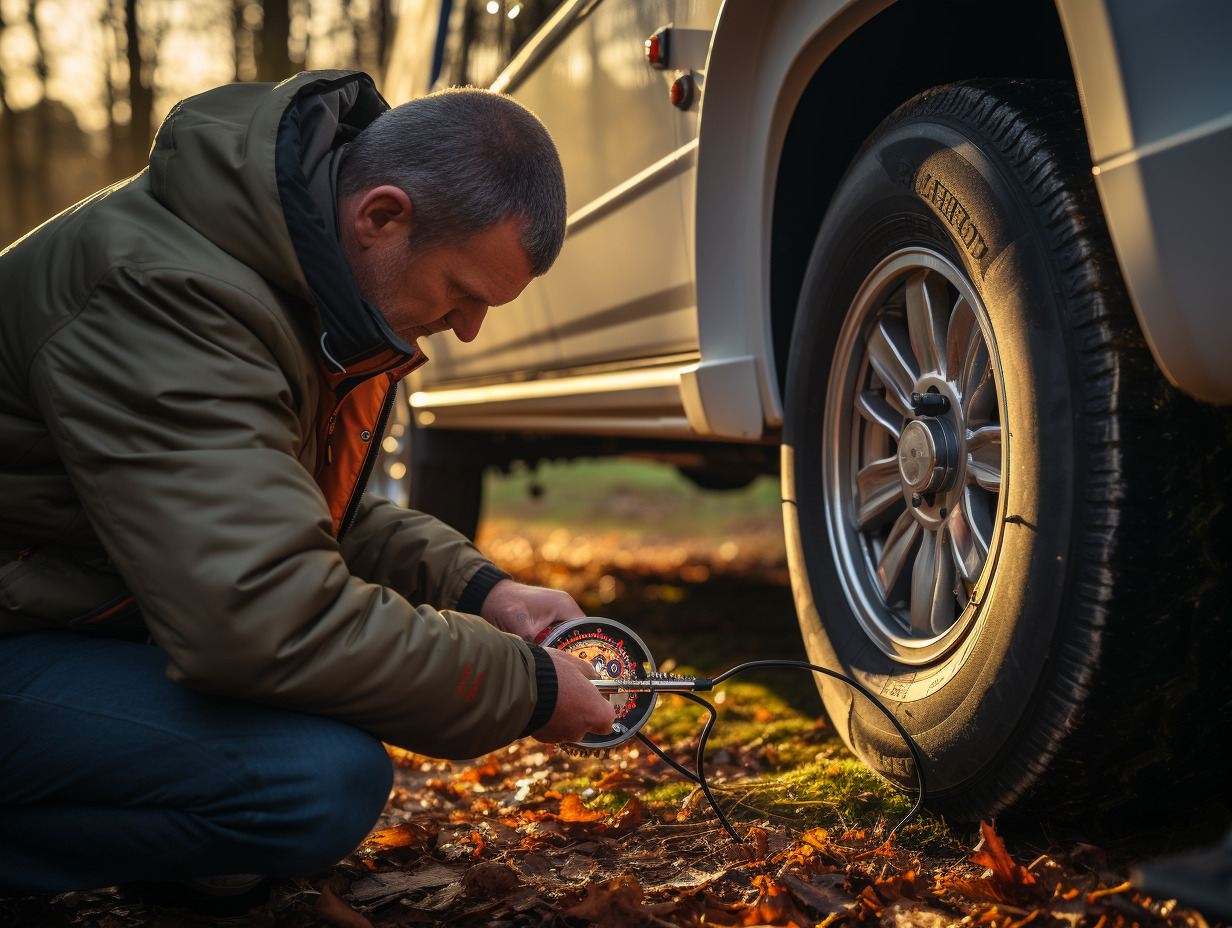
Tire maintenance is not limited to a superficial visual inspection. Scrutinize every nook and cranny for cracks, cuts, or foreign objects potentially embedded in the tread. The trailer tire pressure chart, an essential tool, will provide you with the values for the recommended pressure for trailer tires, calibrated according to the GTW (Gross Trailer Weight) of your setup. An under-inflated or over-inflated tire is not trivial and can have disastrous consequences for tire safety.
Know that tire pressure is not the only factor at play: their balance and alignment should be periodically checked by professionals. An unbalanced or misaligned tire wears unevenly, compromising its lifespan and affecting the stability of the trailer. Therefore, make it a habit to consult a specialist for these technical checks, especially before a long trip or intensive use of your trailer.
Preserving the Longevity of Your Trailer Tires: Tips and Tricks
Beyond simply managing tire pressure, the longevity of trailer tires is part of a comprehensive maintenance of the equipment. The hitch head, a key element in the connection between your vehicle and your trailer, should be kept clean and lightly oiled to ensure a seamless connection and prevent premature tire wear due to poor traction.
As for the trailer plug and lights, they should be stored protected from the elements to avoid short circuits, which can cause jolts during braking and driving, negatively affecting the tires. Also, ensure that the trailer’s electrical supply is reliable before each hitching; a failure can lead to malfunctions in signaling and braking systems.
The trailer hubs and trailer brakes require regular inspection and meticulous maintenance. Poorly adjusted brakes or damaged hubs can cause uneven tire wear, reducing their lifespan. Follow the manufacturers’ recommendations regarding maintenance intervals and appropriate maintenance levels.
The trailer inspection is a necessary preventive measure; it is recommended every three years for certain categories and every two years for boat trailers. Professional services such as those offered by Remorque Center can be wise for a comprehensive assessment, including the condition of the tires and the maximum towing capacity (GTW), thus ensuring the safety and efficiency of your trailer on the road.