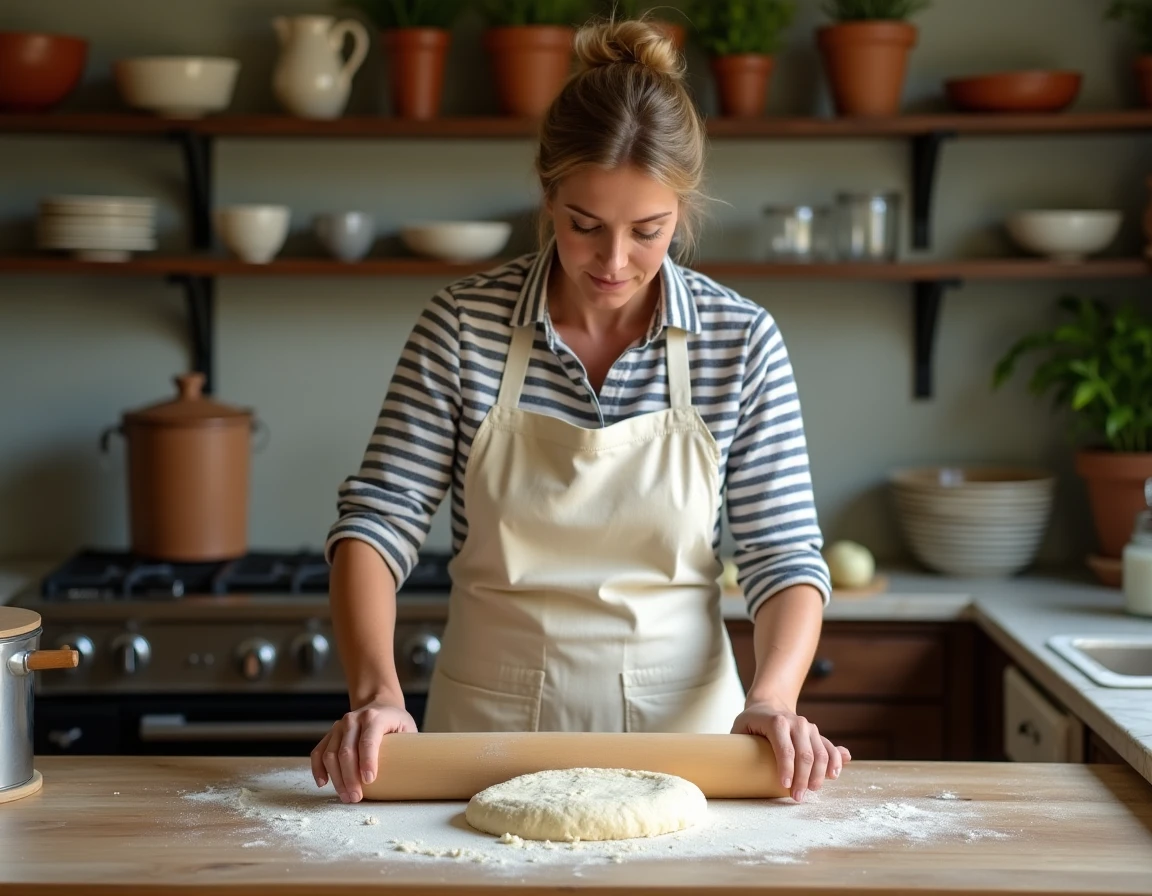
Cooking every day at home relies less on culinary talent than on a reliable system. The real barrier is not the recipe: it’s decision fatigue when answering the question “what are we eating tonight.” The tips and easy recipes that work over time all share one common point: they rely on a structured pantry, quick cooking methods, and an accepted logic of repetition.
Basic pantry for cooking at home without daily shopping
A well-stocked cupboard makes daily cooking possible even when the refrigerator is almost empty. We recommend distinguishing three categories of staple products, each covering a specific role in building a meal.
- Dry starches and protein preserves: pasta, rice, red lentils, canned chickpeas, natural tuna, sardines. These products last several months and form the caloric base of a dish in less than twenty minutes.
- Structuring condiments: mustard, soy sauce, tomato paste, olive oil, apple cider vinegar. Three of these ingredients are enough to transform a bland vegetable dish into a complete meal with character.
- Uncooked frozen foods: green beans, peas, leaf spinach, plain fish fillets. The Anses reminds us that these raw products retain most of their nutritional qualities and allow for simple cooking without relying on daily fresh purchases.
With these three pillars, the majority of easy daily recipes become achievable without detours to the supermarket. A meal like “pasta, canned tuna, frozen zucchini, drizzle of olive oil” takes less time than a delivery order. Resources like easy-cooking.fr offer concrete combinations based on this type of pantry.
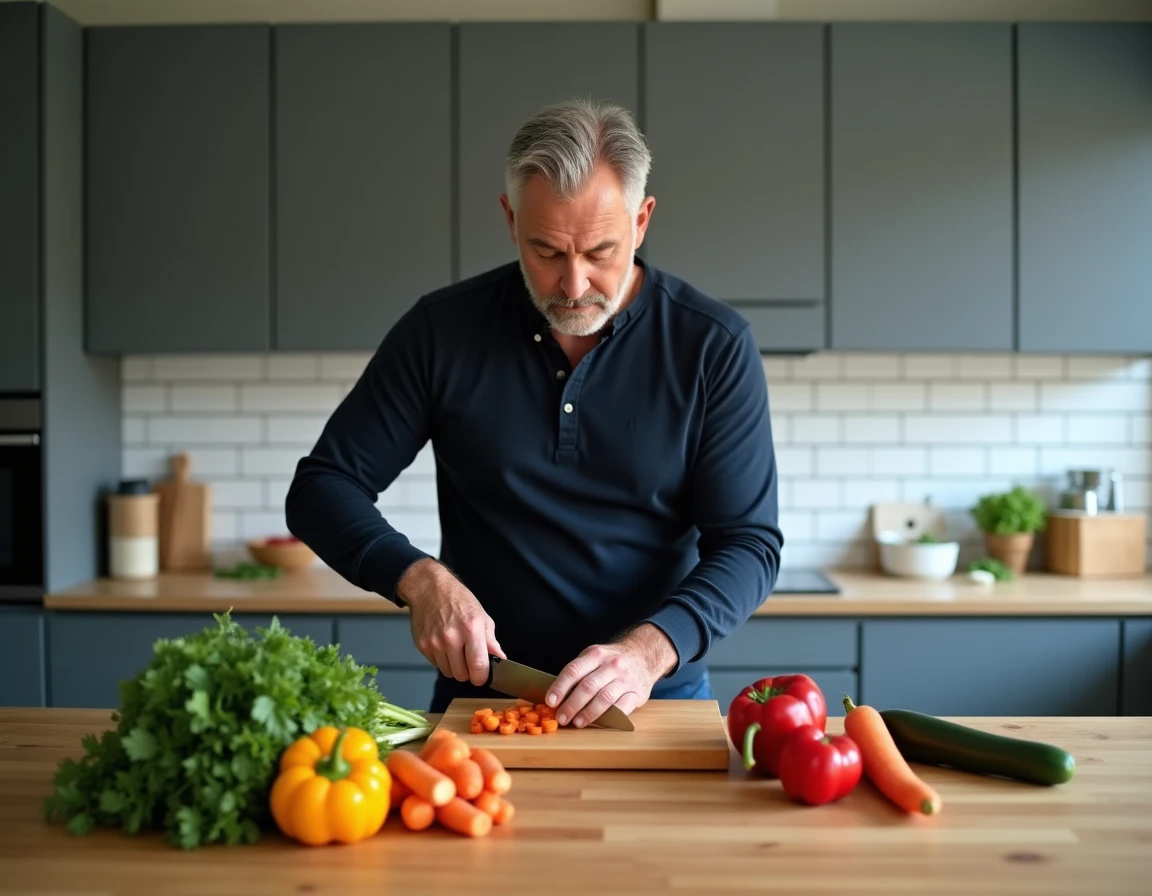
Pan-frying and one-pot dishes: the winning duo of quick recipes
The oven is overrated for weekday cooking. Preheating time, monitoring, cleaning the tray: all of this adds to the mental load. The frying pan and pot cover almost all daily needs.
A one-pot dish in a frying pan almost always follows the same pattern. Sauté an onion or shallot in a bit of fat, add a chopped vegetable (zucchini, bell peppers, mushrooms), then a protein (eggs, sliced chicken, pre-cooked lentils). Everything cooks in one go.
Three recipes to master for the week
The rice-vegetable-egg stir-fry works with any leftover rice. Sauté the cold rice with vegetables, push the mixture to one side of the pan, crack an egg on the other side. Result: a complete meal in about ten minutes.
The cold pasta salad is particularly suitable for spring. Cooked pasta cooled, halved cherry tomatoes, diced cucumber, a few olives, a drizzle of olive oil, and lemon juice. No additional cooking after the pasta.
The express potato gratin works when you have a bit more time on the weekend. Thinly sliced potatoes, cream, grated cheese. Bake and forget about it while tidying up the kitchen. This dish reheats very well the next day, providing an extra meal with no effort.
Meal planning: a rotating menu rather than a fixed schedule
Classic planning (a different menu each day of the week) creates more pressure than it relieves. A rotating menu of five or six dishes works better over time, as it reduces the number of decisions without imposing monotony.
The principle: identify five or six meals that everyone in the household accepts, write them down, and rotate. The list evolves slowly, with one dish replaced every two or three weeks. This approach absorbs decision fatigue, the main obstacle to daily home cooking.
Structuring the rotation by type of dish
We observe that an effective rotation alternates categories rather than recipes. For example: one night pasta, one night rice or grains, one night composed salad, one night eggs, one night vegetables and legumes. The specific recipe choice within each category remains flexible.
This method also simplifies shopping. The shopping list becomes almost identical from week to week, which speeds up the store visit and limits waste. Basic ingredients (potatoes, onions, pasta, eggs, chicken) consistently return.
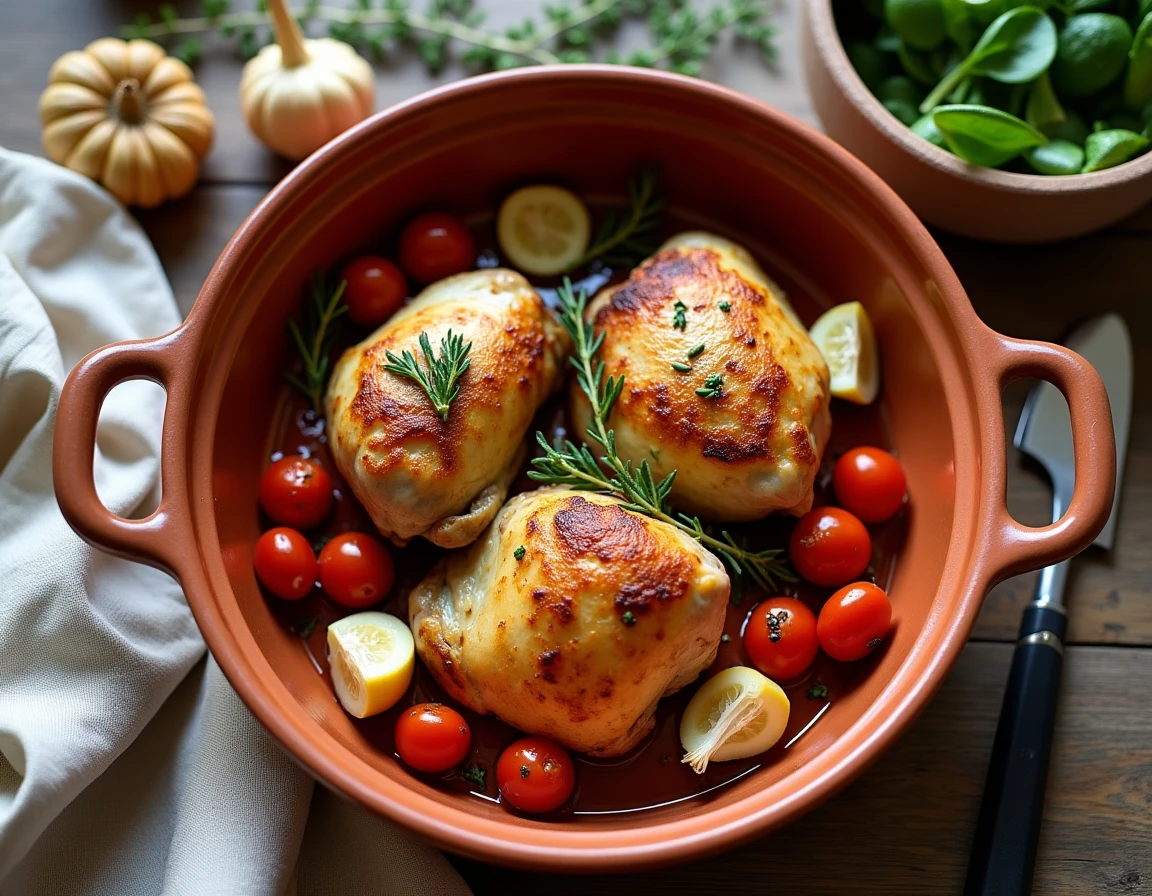
Reducing vegetable prep time daily
Peeling and cutting fresh vegetables every evening is the most common breaking point. Two complementary strategies solve the problem without sacrificing meal quality.
The first: prepare vegetables in batches on the weekend or on the least busy evening. Wash and cut zucchini, carrots, bell peppers, then store them in airtight containers in the refrigerator. Pre-cut vegetables last three to four days in the fridge and turn dinner preparation into simple assembly.
The second: use plain frozen vegetables without guilt. A bag of frozen spinach poured into a pan with garlic and an egg produces a decent dish in five minutes. Frozen vegetables are picked and packaged at maturity, preserving most of their nutritional value.
The real trap would be to believe that a homemade meal must resemble a magazine recipe. A pan-grilled chicken dish with frozen green beans and rice constitutes a complete, balanced, quick meal. Consistency matters more than sophistication: it’s better to have a simple homemade meal five nights a week than an elaborate dish followed by three nights of delivery.