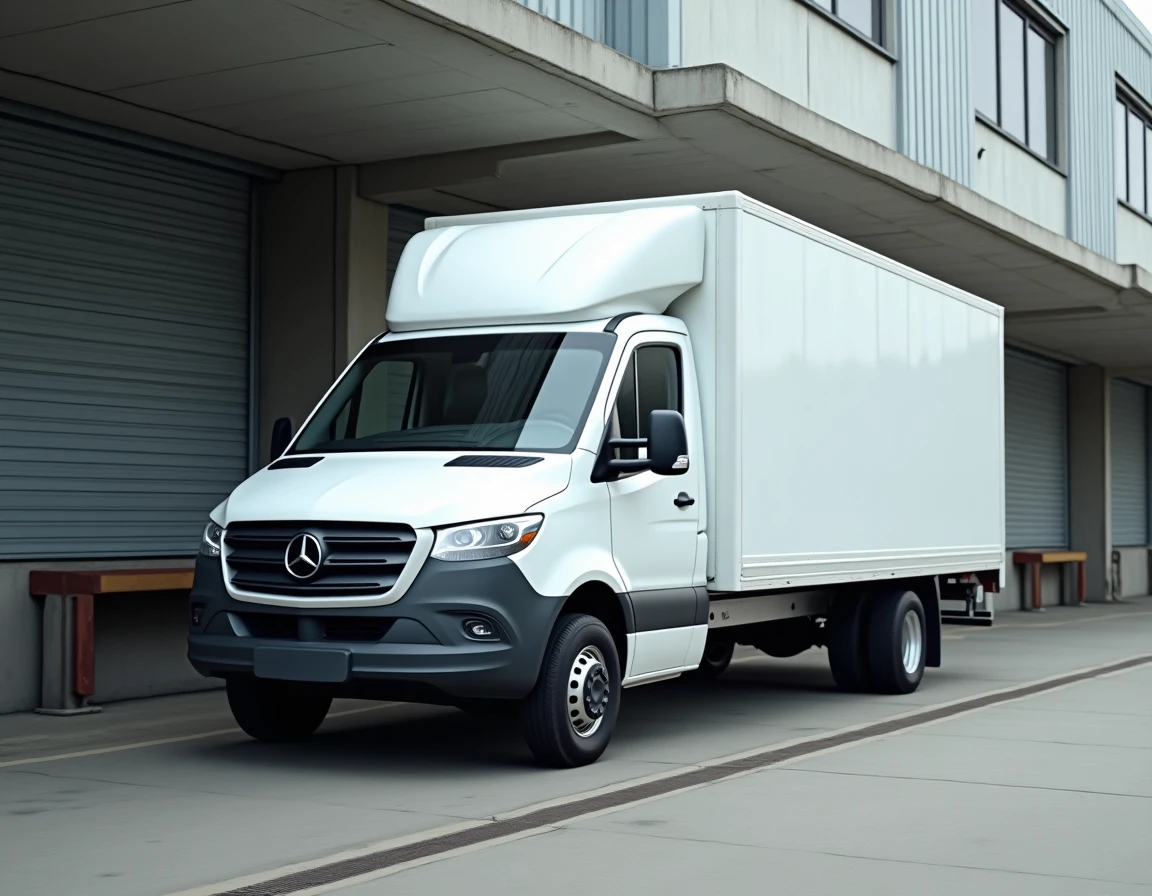
In the market for light commercial vehicles, the interior width of the van directly affects what can be loaded, how it is arranged, and sometimes even the choice between two competing models. Catalogs highlight the volume in cubic meters or the payload, but the measurement between wheel arches remains a technical criterion often absent from general comparisons.
Usable width between wheel arches: the criterion that technical sheets hide
The overall width of a van, as found in commercial brochures, says very little about the space that is actually usable inside. What matters for a tradesperson loading drywall sheets, a logistics operator stacking Euro pallets, or a van converter planning a transverse bed, is the usable width between wheel arches.
This measurement varies significantly from model to model, even within the same range. Two vans displaying the same loading volume can show a difference of several centimeters at this point, depending on the chassis design and type of rear suspension.
To learn everything about van widths, one must go beyond the manufacturer’s sheet and compare detailed technical measurements, often available only in professional documents or conversion guides.
Large vans: Iveco Daily and Mercedes Sprinter lead in width
In the large van segment (L3/L4 versions, even H3), two models stand out for their maximum interior width: the Iveco Daily and the Mercedes Sprinter. These two vehicles have historically been favored by bodybuilders and professionals in high-volume transport.
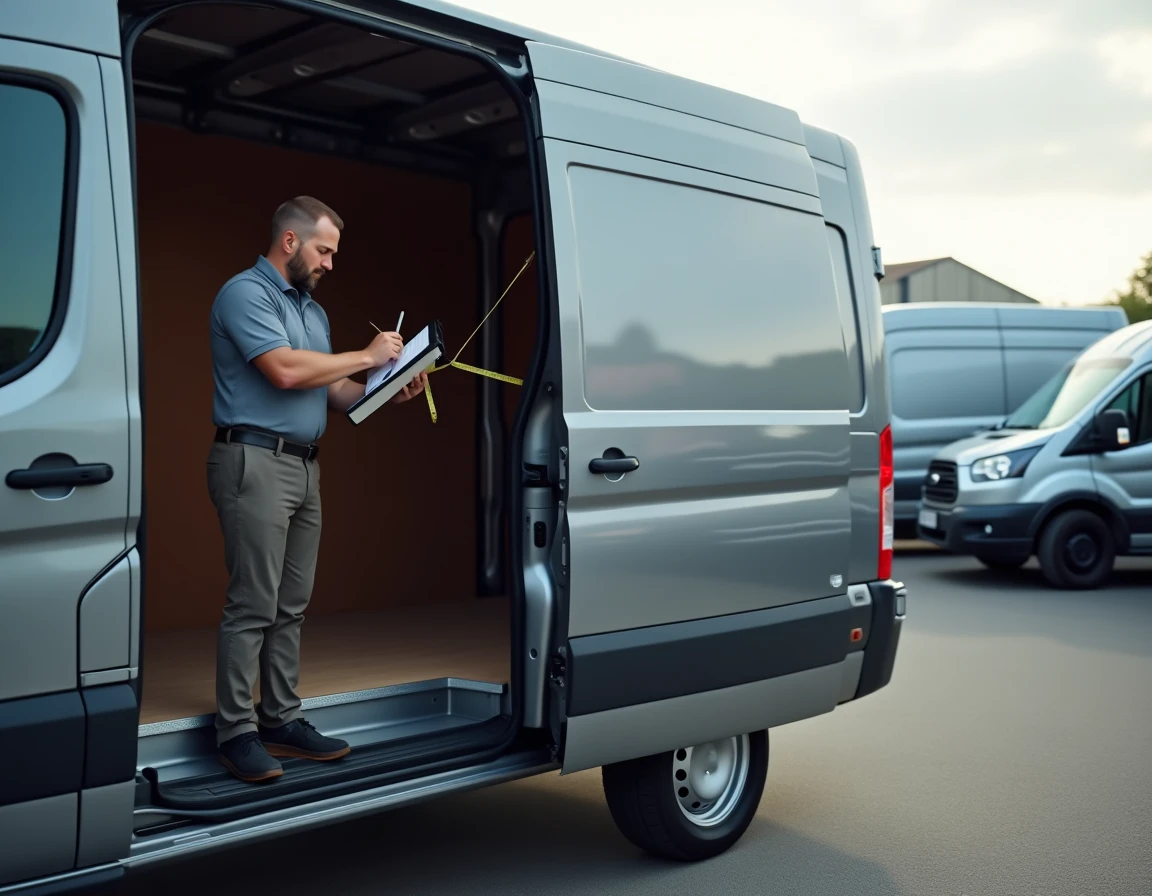
The Sprinter, produced by Mercedes-Benz, offers a wide and relatively flat floor in its longest versions, suitable for loading pallets sideways. The Iveco Daily, on the other hand, provides a width between wheel arches in certain configurations that places it among the most generous on the market. Specialized conversion networks for camper vans have confirmed since 2023 a growing demand for these versions, precisely because they allow for transverse sleeping arrangements or the passage of wide loads.
The Renault Master, with over 34,700 registrations in 2024, remains the best-selling van in France. Its interior width is in the good average of the segment, but it does not consistently compete with the Daily or the Sprinter on this specific criterion. The Fiat Ducato, a technical cousin of the Peugeot Boxer and Citroën Jumper, shares a common platform that offers similar interior dimensions, without reaching the maximum values of the segment.
Wide compact vans: the height and toll compromise that changes the game
Width is not only a factor in the high-volume segment. For many professionals, the real trade-off is between interior width and overall vehicle height.
The reason is regulatory and financial. Beyond 2 m in height, a utility vehicle shifts to class 2 at tolls and loses access to almost all underground parking. This threshold pushes many tradespeople and fleet managers to seek vans that offer the best possible width while remaining under this 2 m limit.
Several models meet this specification:
- The Renault Trafic (and its twins Fiat Talento, Nissan Primastar) offers usable loading space in width, with versions that remain under 2 m in height depending on the chosen roof configuration.
- The Ford Transit Custom, a reference in the British market and increasingly present in France, offers a wide floor in a compact size, with a contained height.
- The Volkswagen Transporter, known for its mechanical reliability and road handling, presents competitive interior width for its category, even if its purchase price positions it above average.
- The Peugeot Expert and Citroën Jumpy share the same platform and offer similar interior dimensions, with a good ratio between usable width and external size.
This width-height compromise is rarely highlighted in general rankings, even though it represents a determining choice criterion for urban fleets.
Claims and operating costs of the widest vans
Choosing the widest van on the market does not come without consequences for the operating budget. Since 2023, several insurers and rental companies have reported a marked increase in bodywork claims on large vans. Urban collisions, damage during maneuvers, and miscalibrated door passages generate high repair costs.
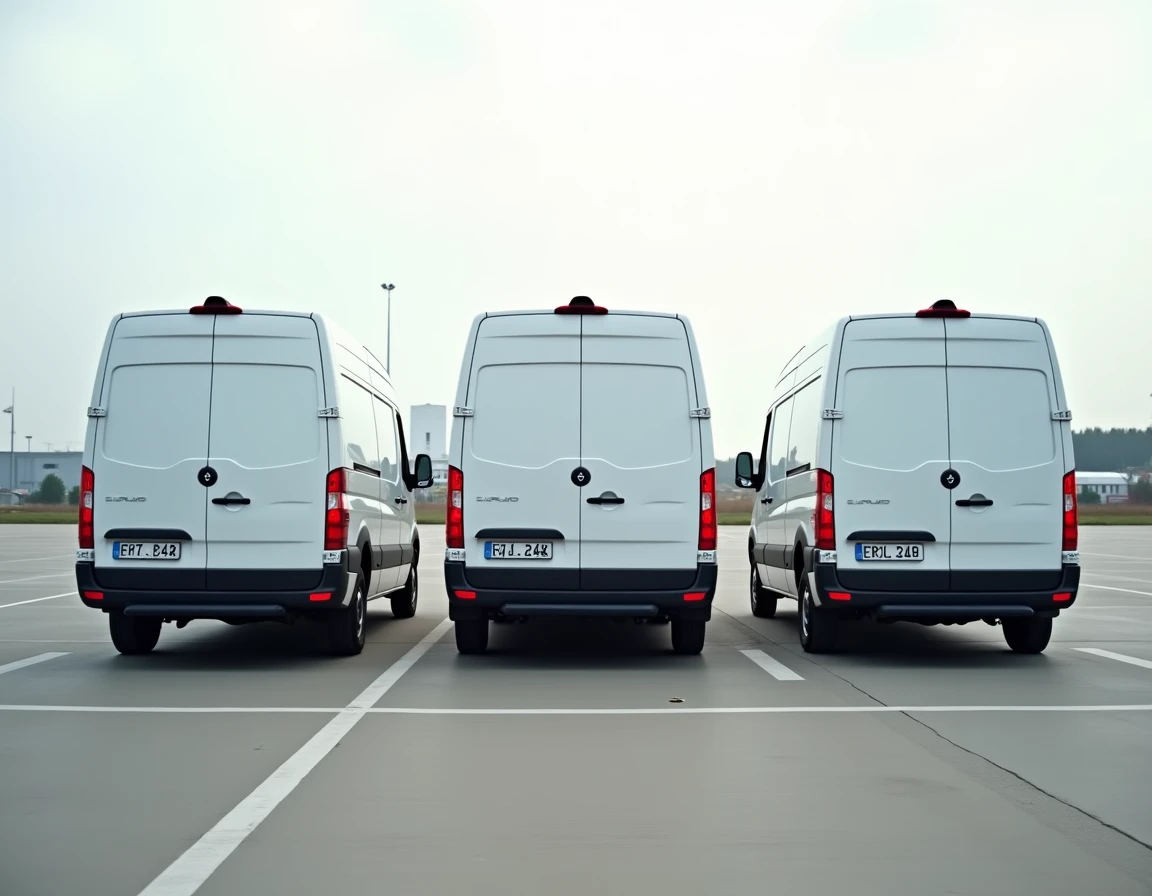
A wider van is also a vehicle that is more difficult to maneuver in narrow delivery areas, city center alleys, or building courtyards. The difference of a few centimeters in overall width between a Trafic and a Master can be enough to make certain routes impractical.
Field feedback varies on this point: some professionals believe that the gained interior width more than compensates for the insurance cost increase, while others prefer to limit the size to reduce additional expenses. The question arises differently depending on whether one is driving in rural areas or dense urban environments.
Diesel, electric, and interior width: an unexpected link
The arrival of electric drivetrains in the van segment also changes the game regarding usable width. Batteries, housed under the floor, can slightly raise the loading height and, in some models, reduce the available width at ground level.
However, the absence of a central transmission tunnel in 100% electric versions sometimes frees up space at the floor level, which can partially offset this constraint. The Renault Master E-Tech, the Mercedes eSprinter, or the Ford E-Transit illustrate this evolution, with slightly different interior dimensions from their diesel counterparts.
For a new or used purchase, comparing the usable widths between the thermal and electric versions of the same model deserves systematic verification. The available data does not always allow for a clear conclusion about a net loss or gain, as configurations vary according to trim levels and chassis options.
The widest utility van on the market will not be the same depending on whether one measures the overall width, the floor width, or the width between wheel arches. Asking the right question before consulting a technical sheet remains the first filter of selection, well before the brand or price.