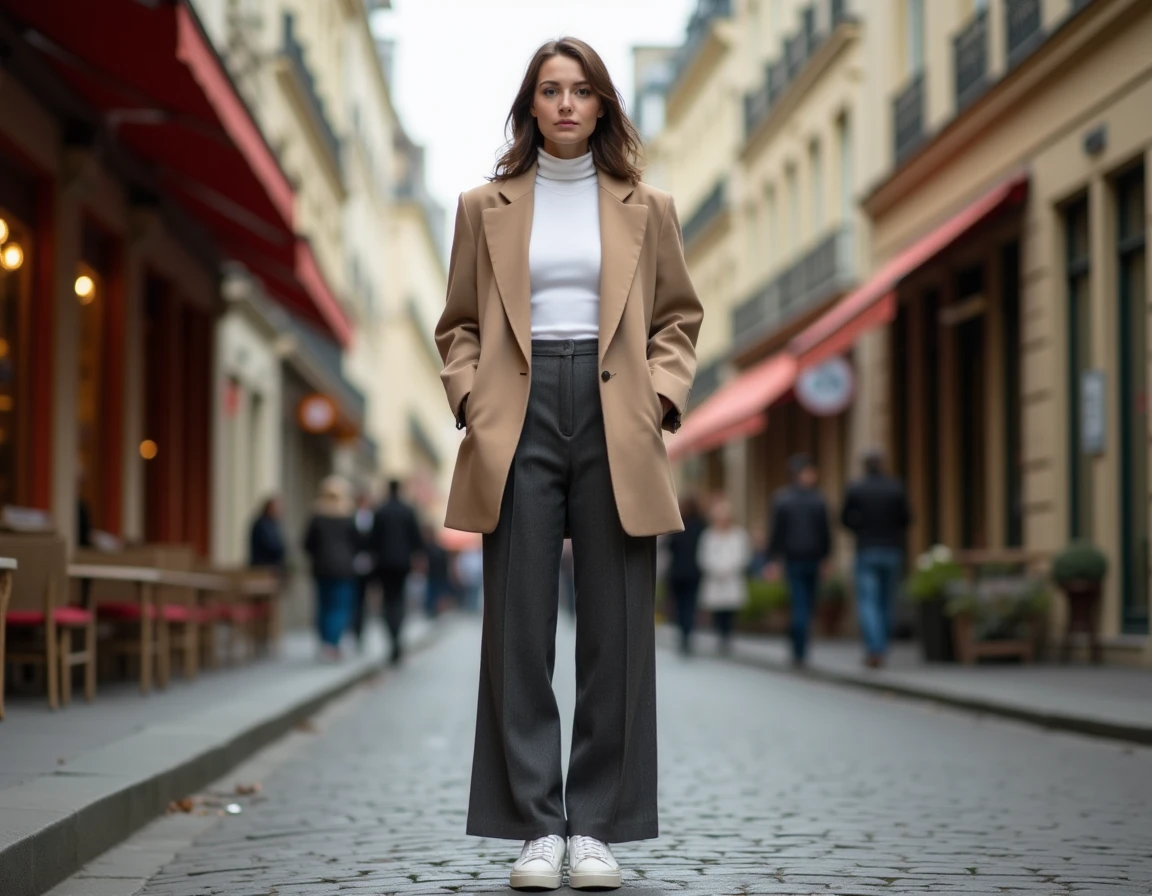
The current fashion trends are no longer solely read on the runways. Since 2024, collaborations between designers and second-hand platforms, AI-driven wardrobe recommendations, and the tightening of European regulations on green claims are reshaping how a style becomes “trendy.” Here, we analyze the underlying movements that are truly structuring clothing choices this season.
Designer Collaborations and Second-Hand: The New Circuit of Fashion Trends
The capsule collections co-signed by brands and second-hand marketplaces are no longer just a one-off marketing stunt. These partnerships now produce selections of cuts, palettes, and dress codes that function as real seasonal directions, just like a runway show.
The mechanism is simple: a brand selects vintage or second-hand pieces, has them redesigned or recertified, and then presents them in an editorialized lookbook. The result directs purchases towards specific silhouettes, established noble materials, and colors validated by use.
We observe that this short circuit between second-hand and creation generates more refined pieces in terms of textiles. A wide-leg jean from a second-hand collaboration often offers a denser denim, already softened, with a patina that new items do not replicate. To keep track of these movements throughout the seasons, the fashion section on Chez Joëlle regularly deciphers these intersections between style and circularity.
AI-Powered Capsule Wardrobe: Which Pieces Are Really Rising
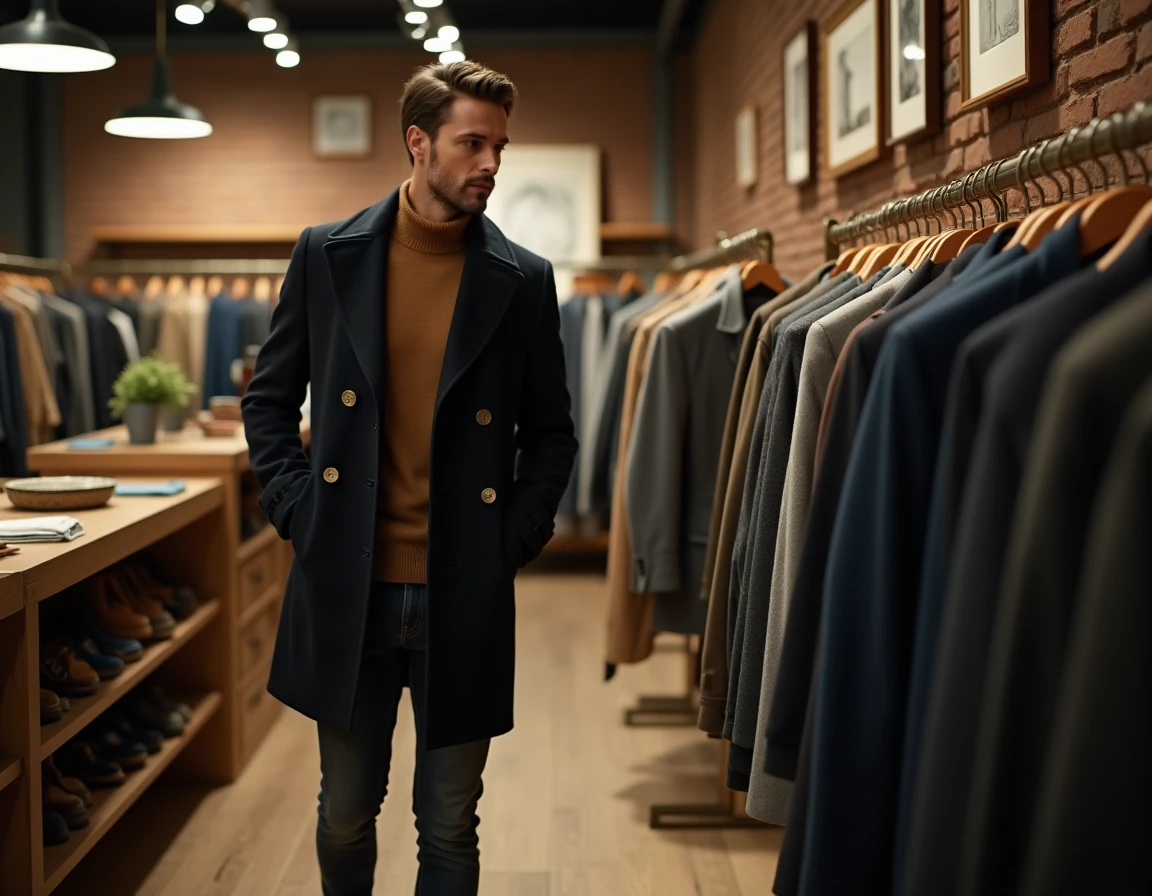
Generative AI directly influences the pieces that become seasonal trends. Several e-commerce platforms and style apps analyze morphology, local climate, stated preferences, and existing wardrobe content to propose optimized assortments. The pieces that frequently appear in these recommendations ultimately shape demand.
This dynamic partly explains the persistence of certain basics in spring-summer selections: linen dresses, retro sneakers, wide-cut jeans. These items are not pushed by an artistic director but by an algorithm that identifies their versatility and high reuse rate in outfit combinations.
Recurring Pieces in AI Recommendations This Season
- The wide-leg jean in raw or faded denim, worn high-waisted, compatible with most body types according to style engines
- The mid-length linen dress, favored for its breathability and ability to transition from office to outdoors without outfit changes
- The flat-soled retro sneaker, recurrent in capsule wardrobes as it works with wide pants, midi skirts, and fluid dresses
- The oversized blazer in neutral colors, identified as the most versatile layering piece for mid-seasons
The key takeaway: recommendation algorithms create a convergence effect on certain silhouettes. Mainstream items attribute these trends to the runways, while the real driver of diffusion is often mass customization.
European Regulation on Green Claims and Impact on Eco-Responsible Style
The tightening of European regulations on environmental claims is changing how brands can communicate about their “sustainable” or “eco-responsible” collections. Vague terms like “conscious collection” or “green fashion” are gradually being regulated, forcing brands to document their claims.
For consumers who follow fashion trends with a sustainability criterion, this evolution has a concrete effect: the brands that remain visible in the eco-responsible niche are those that genuinely invest in textile traceability. Others abandon the positioning or dilute it in cautious formulations.
What This Changes in Piece Selection
Sustainability-oriented fashion advice is becoming more precise. Instead of recommending an “engaged brand,” we suggest checking three elements before purchase:
- The presence of a detailed material sheet (composition, thread origin, place of manufacture) on the product page
- The existence of a verifiable third-party label (not a proprietary logo created by the brand itself)
- The coherence between the price and the announced production method – a certified organic cotton t-shirt made in Europe has a production cost incompatible with a very low selling price
Spring-Summer Colors and Silhouettes: What Editorial Selections Confirm
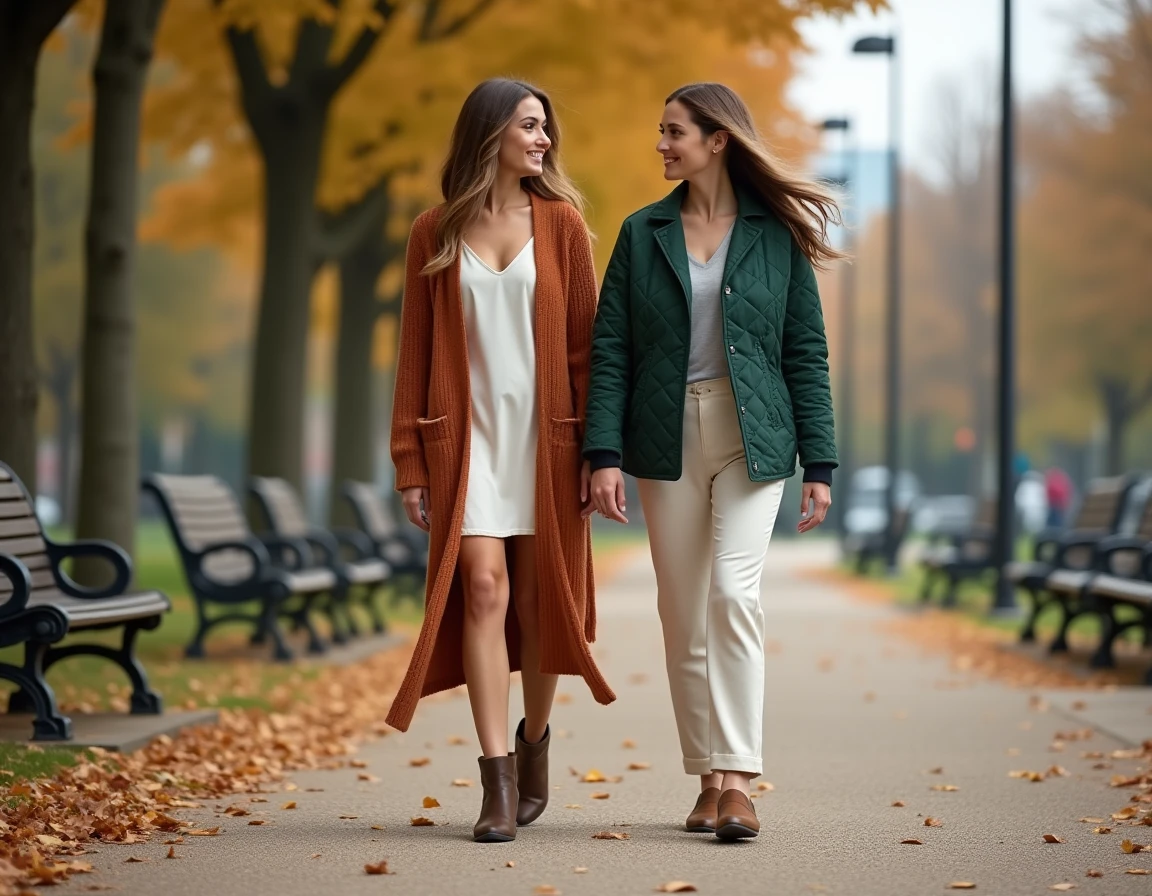
Seasonal selections converge on a few clear directions. Warm tones (terracotta, caramel, rose brown) coexist with bold colors like butter yellow and cobalt blue. This coexistence between muted palettes and bright shades reflects a season that does not choose between minimalism and expressiveness.
In terms of silhouettes, wide pants remain the dominant cut, available in denim, linen, and structured cotton. The fluid midi dress and the short colored blazer complete a wardrobe that favors controlled volume over fitted styles.
The oversized sweater, far from disappearing with the warm days, remains in a lightweight version for cool evenings and spring layering. Floral prints and stripes remain safe bets, worn as a total look or as an accent piece on a solid base.
The most effective approach this season is to build a core of neutral and versatile pieces, then inject color through accessories or a unique statement piece. This capsule wardrobe principle, amplified by recommendation tools, produces cohesive looks without multiplying purchases. The trend, at its core, is no longer about following an imposed style but stabilizing one’s own with pieces that last beyond a season.